About
Organization
Organizational Committee
Claudia Rapp (President)
Andreas Rhoby (Vice President)
Krystina Kubina, Andreas Külzer, Johannes Preiser-Kapeller, Elisabeth Schiffer, Nikos Zagklas (Deputy Vice Presidents)
Dijana Popović (Congress Manager)
Program Committee
Andreas Rhoby (President)
Johannes Preiser-Kapeller (Vice President)
Basema Hamarneh, Claudia Rapp (Members)
Further Team Members
Eirini Afentoulidou, Hans-Nikolaos Christoforakis, Christian Gastgeber, Regina Jahn, Grigory Kessel, Carola Korn, Georgi Mitov, Ekaterini Mitsiou, Cosimo Paravano, Adrian Pirtea, Lewis Read, Giulia Rossetto, Grace Stafford
Damianos Kasotakis (Webmaster)
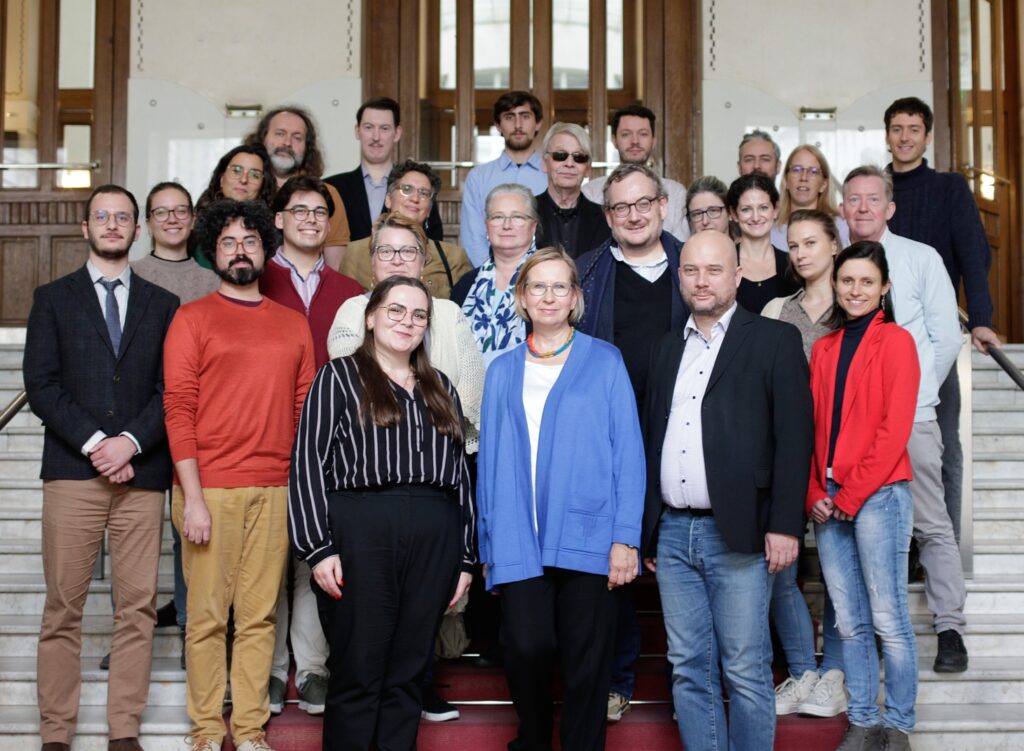
Meet the Organizational Committee
Claudia Rapp (Professor of Byzantine Studies at the University of Vienna, Director of the Institute for Medieval Research at the Austrian Academy of Sciences)
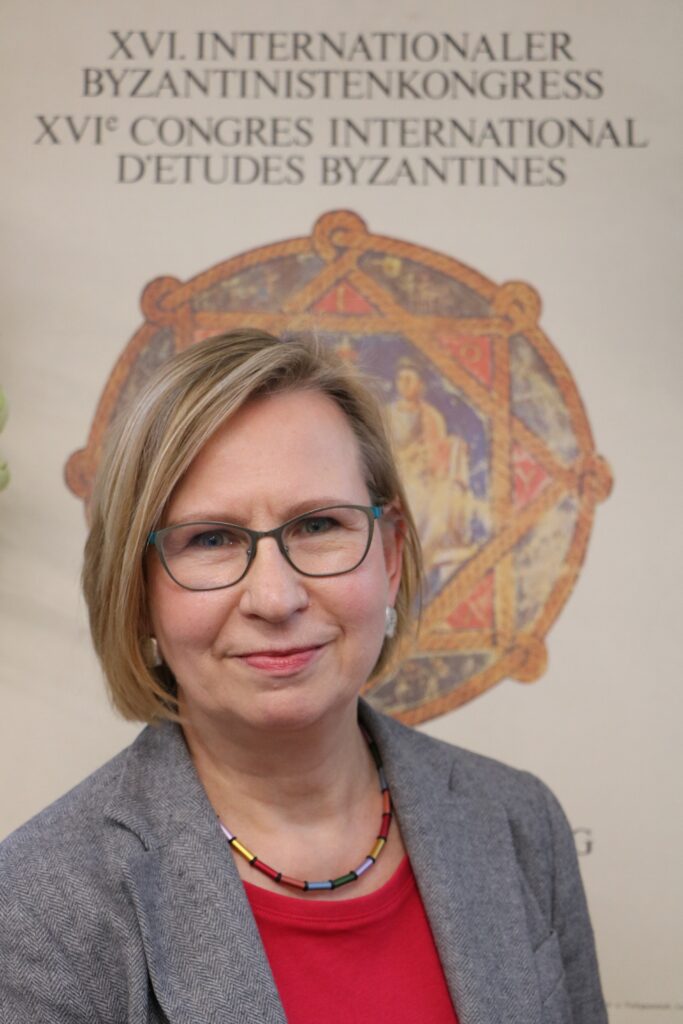
Chair of the Organizing Committee; Member of the Program Committee; Member of the Finance Committee; Member of Side Events Committee
Claudia Rapp has been researching and publishing on social, religious and cultural history of Late Antiquity and Byzantium. She is the initiator of the Vienna Euchologia Project and the Co-Principal Investigator of the Cluster of Excellence ‚EurAsian Transformations‘.
I am looking forward to the excited buzz of scholarly conversations in the sessions and during the coffee breaks under the shaded arches of the University building.
The ICBS 2026 is a very special opportunity for the Byzantinists in Vienna to act as a hub for international scholarship.
Andreas Rhoby (Director of the Department of Byzantine Research, Institute for Medieval Research at the Austrian Academy of Sciences, Privatdozent at the University of Vienna)
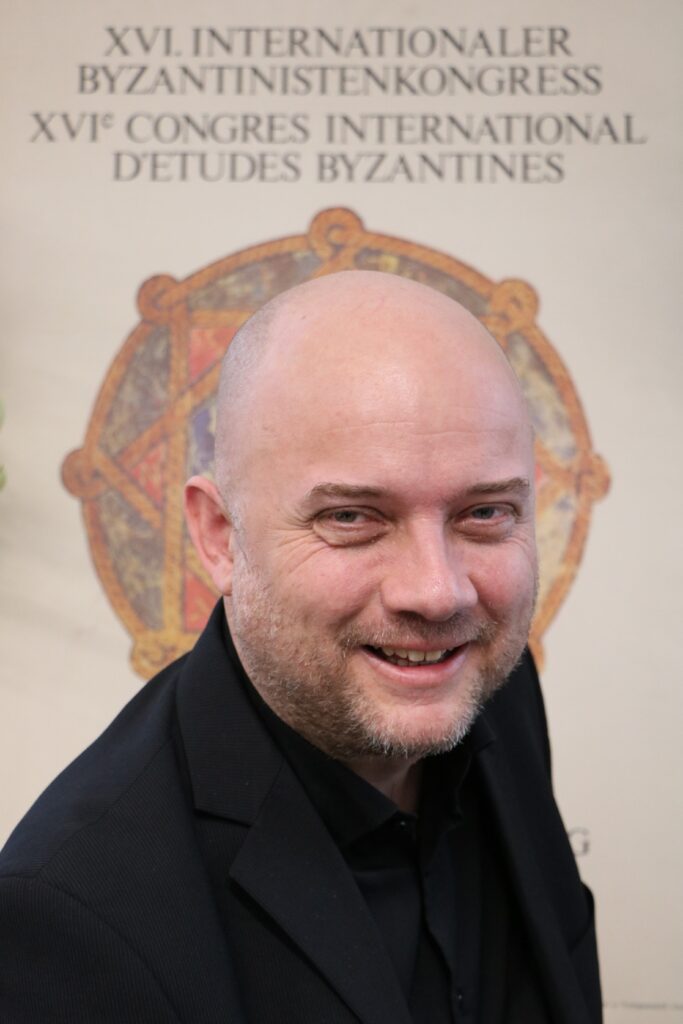
Vice-President of the Organization Committee; Chair of the Program Committee
Andreas Rhoby’s research focuses on Byzantine literature, especially poetry, epigraphy, lexicography, and cultural history in general. He is also interested in the topic ‘Byzantium and Austria’.
A particular highlight of the ICBS 2026 for me will be seeing how the general topic ‘Byzantium and Beyond’ is addressed in the plenaries and other presentations, and I am also looking forward to the papers by many younger colleagues.
For me, the ICBS 2026 stands for a cosmopolitan format in which academic exchange takes place respectfully and on an equal footing, with the aim of leading Byzantine studies and related disciplines into a successful future.
Krystina Kubina (Assistant Professor at the Department of Byzantine and Modern Greek Studies, University of Vienna)
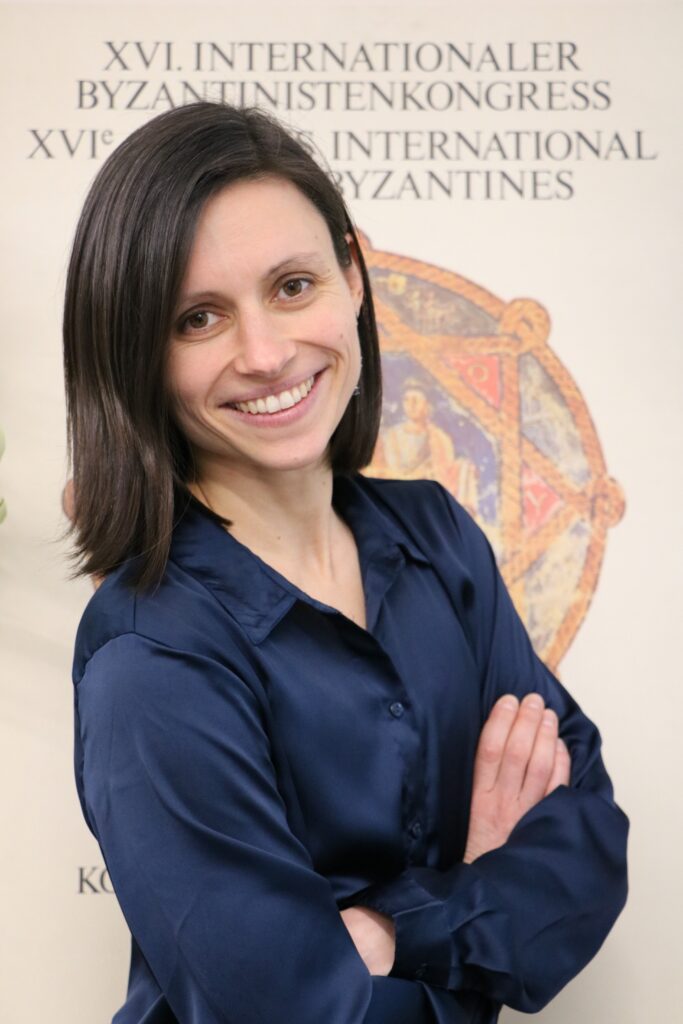
Deputy Vice-President of the Organizing Committee; Content manager of the website; Curator of the exhibition at the Papyrus Museum (together with Giulia Rossetto); member of HR Committee
Krystina Kubina’s research focuses on Byzantine literature and textual culture. She is currently preparing a monograph on the Greek poetry of the thirteenth to the fifteenth centuries.
I am particularly looking forward to meeting colleagues from around the world who, for all their diversity, share a passion for Byzantium.
The ICBS 2026 for me is a mammoth project that fosters lasting bonds among the team members.
Andreas Külzer (Professor of Byzantine Studies, Institute for Medieval Research, Department of Byzantine Research at the Austrian Academy of Sciences)
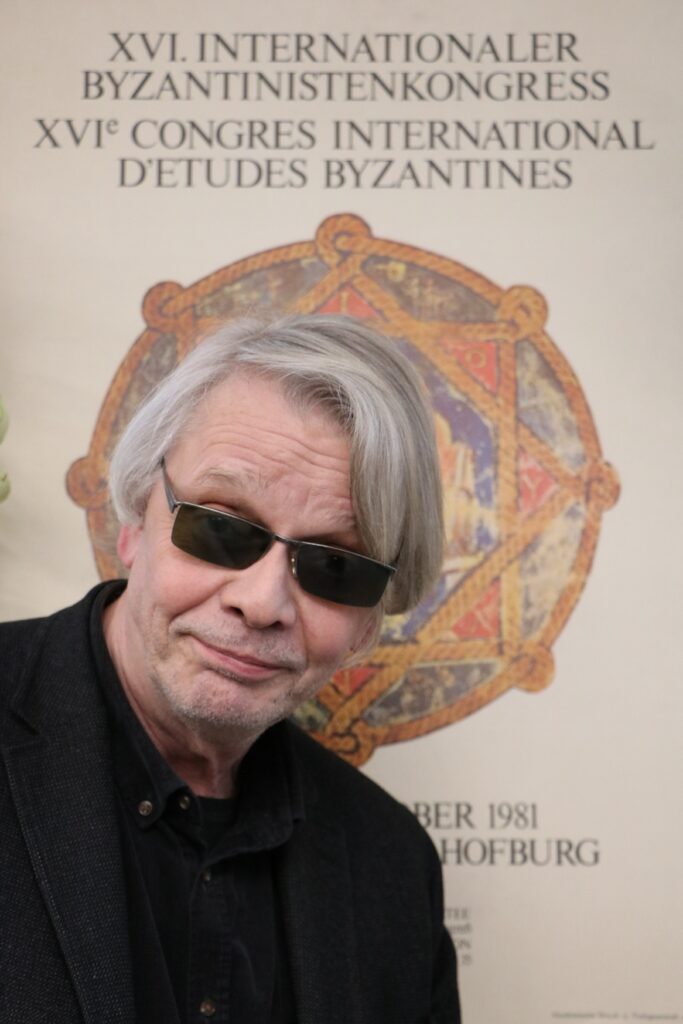
Member of the Organizing Committee; responsible for the side events, together with Claudia Rapp and others; President of the AIEB Commission for Historical Geography and Spatial Analysis
Andreas Külzer’s research interests lie in the historical geography of Anatolia and the Balkan-Peninsula, in Landscape Archeology and in maritime networks in the Eastern Mediterranean of the Middle Ages.
I am looking forward to an intensive exchange of ideas, especially with those colleagues who work in research fields related to my topic and who would like to present and discuss their current observations and theories.
The ICBS is for me a place to meet and to gain knowledge.
Johannes Preiser-Kapeller (Deputy Head of the Dept. of Byzantine Research, Institute for Medieval Research, Austrian Academy of Sciences; Lecturer at the University of Vienna)
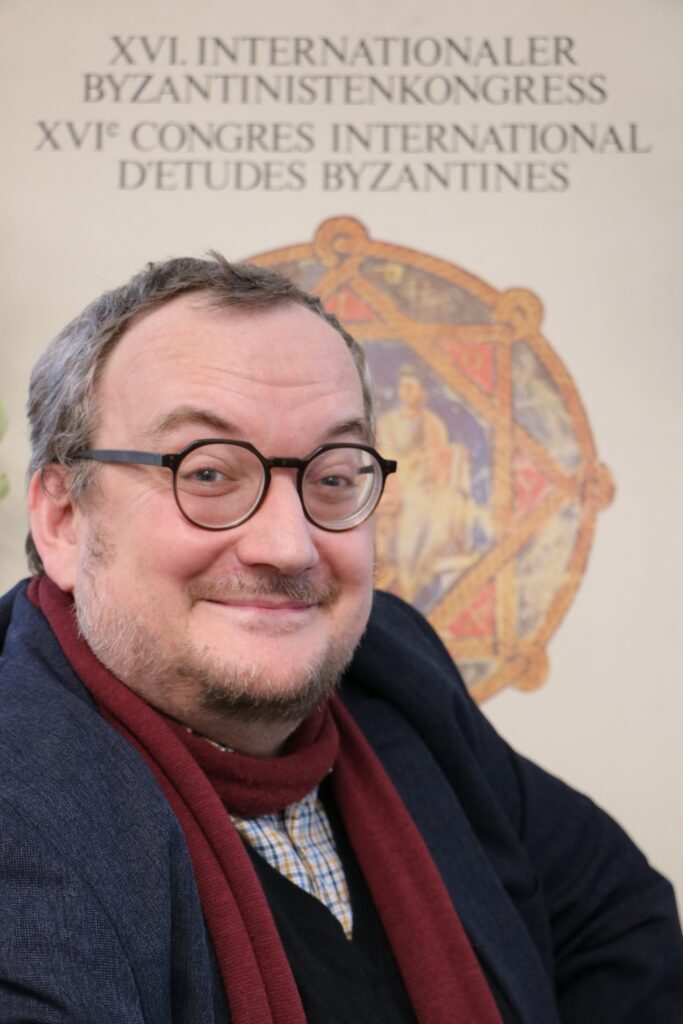
Vice-president of the Program Committee; Deputy vice-president of the Organizing Committee; participation in the organization of the cultural program
Johannes Preiser-Kapeller’s research focuses on the history of the Byzantine Empire in its global entanglements and global comparison, environmental and climate history, and historical network and complexity research.
I am delighted that Vienna’s city center will be populated for a week during the congress by Byzantinists from all over the world, who will also explore the diverse connections between Vienna and Byzantium.
For me, ICBS 2026 is a special opportunity to ascertain how many people worldwide share my fascination with Byzantium and its culture.
Elisabeth Schiffer (Researcher at the Dept. of Byzantine Research, Institute for Medieval Research, Austrian Academy of Sciences)
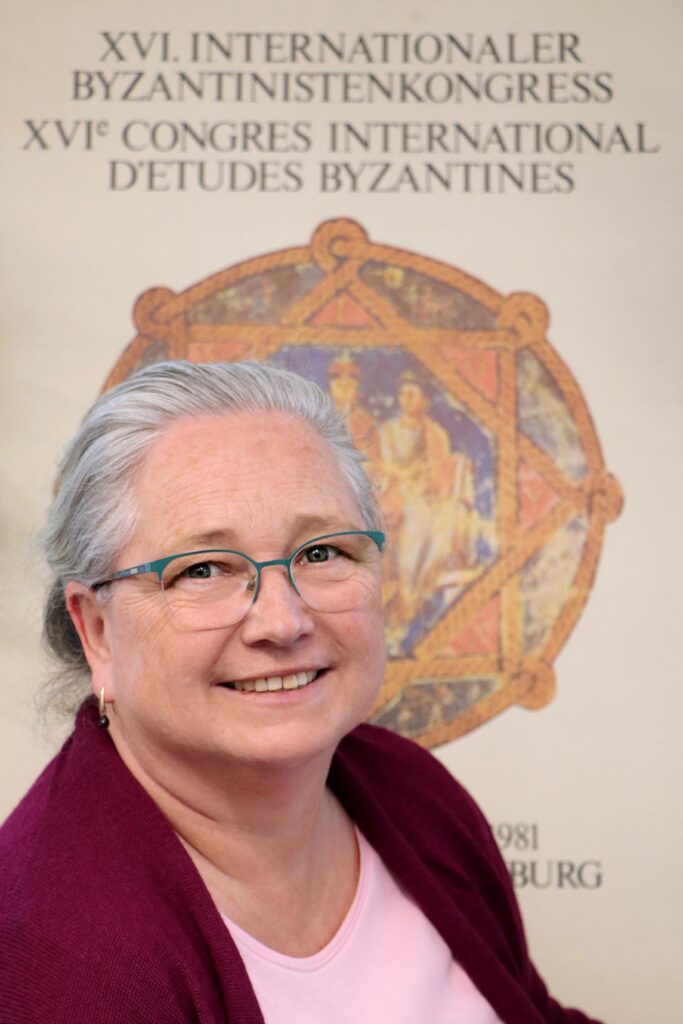
Deputy vice-president of the Organizing Committee; member of the Sponsorship & Finance Committee; member of the Room Allocation Committee
Elisabeth Schiffer’s research interests lie primarily in the fields of lexicography and medieval Greek literature (with a focus on hagiography, sermons and prayer texts).
I am particularly looking forward to the lively exchange with numerous colleagues and the opportunity to make many new contacts.
For me, the ICBS 2026 is above all a place where the broad spectrum of Byzantine Studies is not simply presented, but also expanded. This year, that is particularly evident in the general theme.
Nikos Zagklas (Researcher and Privatdozent at the University of Vienna)
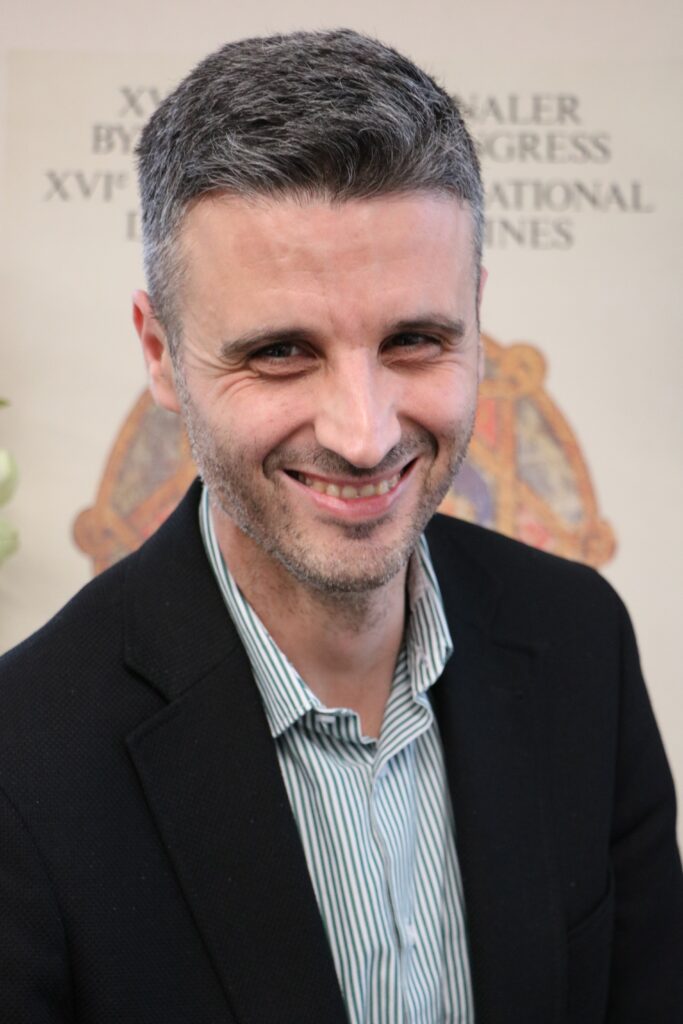
Deputy vice-president of the Organizing Committee; member of the Sponsorship & Finance committee; member of HR Committee; member of the Publication Committee
Nikos Zagklas’ research focuses on Byzantine literary culture, particularly poetry, performance, patronage, authorship, and manuscript production. Another central aim of his research is to place Byzantine literature in dialogue with the literary cultures of the eastern Mediterranean and beyond.
I am looking forward to learning more about the most recent research projects of my colleagues. I am also particularly excited about the presentations by the younger generation of Byzantinists, who will shape the field in the coming decades with new research questions and methodological approaches.
For me, the ICBS 2026 primarily represents an exchange of ideas on how Byzantine studies can foster rigorous and socially relevant research, especially in times of global challenges, while also inspiring and engaging younger generations in the study of Byzantium.
Dijana Popović (Congress Manager of the ICBS 2026, University of Vienna)
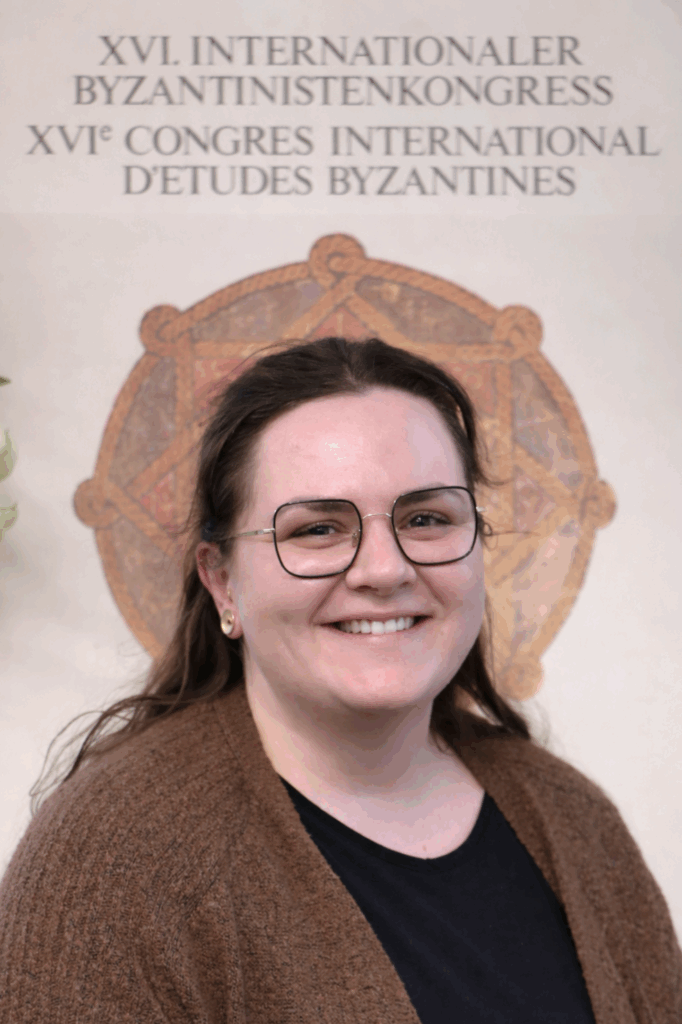
Management of timelines, budgeting, and cross-functional coordination using both traditional and agile project management approaches; overall strategic and operational coordination of congress planning and execution in close collaboration with the ICBS organizing committee, its subcommittees (HR, PR, exhibitors, sponsorship, finance), the University of Vienna event management team, and external stakeholders; involved in key communication and decision-making processes.
Dijana Popović’s research is interdisciplinary at the intersection of music, social, and cognitive psychology, with a focus on gender stereotypes, categorization processes, and factors influencing musical perception and evaluation.
My personal highlight at the ICBS will be the moments when the intensive planning behind the scenes comes to life and the framework we have created fills with lively exchange.
For me, the ICBS 2026 is a special experience because I had the opportunity to accompany a project of this remarkable scale from its early beginnings to its present, fully developed form and to help shape it together with my colleagues.